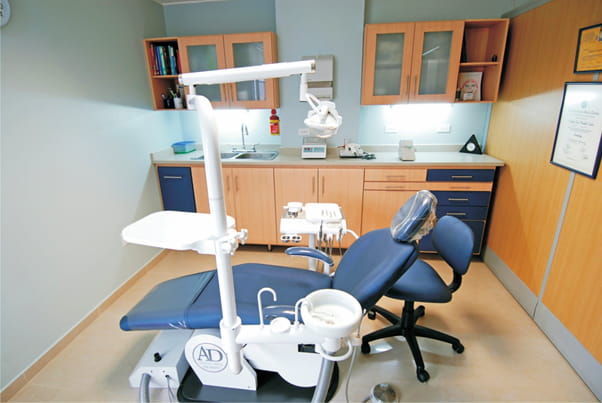
Hey there! Are you currently contemplating the idea of crafting a warm and inviting space for your dental office? It is worth noting that the ambiance of your office holds greater significance than you might imagine!
So, let’s embark on a journey to explore the essential dos and don’ts of dental office interior design. By doing so, we can ensure that your space shines, like those dazzling pearly whites that bring smiles to your patients’ faces.
The Dos: Making Your Office Shine
Making your office shine involves prioritizing natural light and cozy textures to create a welcoming atmosphere that puts both patients and staff at ease. Opt for warm lighting and comfortable seating to ensure a bright and inviting space.
Light it Right
Lighting is everything! Go for natural light where you can. Big windows or skylights can make the space feel fresh and inviting. If natural light is a struggle, opt for warm, soft artificial lighting that doesn’t feel like a spotlight at the dentist’s chair.
Comfort Over Everything
No one likes a cold, clinical waiting room. Add comfy chairs, cozy textures, and a touch of color to make patients feel at home. A comfy patient is a happy patient.
Smart Space Organization
Optimize your space by adopting a minimalistic design approach and incorporating smart storage solutions. Keeping things tidy and decluttered is key to creating an open and spacious atmosphere in your office while optimizing space.
Warm Welcome at the Entrance
Creating a welcoming dental space starts with the first impression! Your reception area plays a crucial role in setting the tone. To make patients feel welcome, ensure a friendly face greets them at the desk and incorporate greenery or artwork for added warmth and comfort.
Functional Layouts
Think flow! A well-planned layout makes it easy for patients to move around. Keep treatment areas private while ensuring easy access for staff and patients.
The Don’ts: Design Blunders to Avoid
To prevent design mistakes, a dental office design company should avoid creating sterile looks and uncomfortable elements that can cause unease among patients and staff. Moreover, prioritizing functionality over aesthetics is crucial to achieving a well-balanced, practical, and appealing interior for dental offices.
Overdoing Sterile Looks
Avoid making your office look like a hospital wing. White walls and cold floors might seem hygienic, but they can make patients uncomfortable. Add warmth and personality without sacrificing cleanliness.
Ignoring Comfort for Patients and Staff
Uncomfortable chairs or harsh lighting can make anyone feel on edge. Remember, comfort isn’t for patients; your staff will thank you too!
Forgetting Function for Aesthetics
It’s easy to get carried away with design trends, but remember, functionality matters most in a dental office. Balance aesthetics with practicality to create a space that works well for everyone.
Neglecting Maintenance
Fancy features are great, but only if you can keep them clean and maintained. Avoid materials that stain or must be high maintenance. You don’t want your office looking worn down within a few months.
A Brighter, Better Dental Office Interior Design
Nailing the dental office interior design isn’t about aesthetics; it’s about creating a space that feels inviting, comfortable, and professional. Remember, it’s the little details that count – from warm lighting to comfy seating.
So, let your office shine and make those dental visits a pleasant experience from the moment your patients step in. Here’s to creating a dental office space that’s as bright and cheerful as the smiles you’ll help create!
Want to learn more? Don’t forget to explore our other articles before you leave!
Read Also
- What Today’s Patients Expect From Healthcare Brands
 Healthcare is no longer experienced only through appointments, prescriptions, or hospital visits. Patients now interact with healthcare brands through websites, mobile applications, educational articles, product instructions, customer support teams, social media, and online reviews. Every one of these interactions influences how people judge a company. This shift has raised expectations. Patients want accurate information, convenient… Read more: What Today’s Patients Expect From Healthcare Brands
 - Top Trends Shaping the Future of Mental Health CareMental health care is moving fast to meet daily human needs. People want direct care that fits modern life. Clinics respond by creating flexible options that make healing easier to reach. Providers look past rigid habits to give people solid care. From smart tools to body wellness, these changes help people find relief when life… Read more: Top Trends Shaping the Future of Mental Health Care
- Can Outsourced Telepsychiatry Help Healthcare Organizations Keep Pace With Modern Mental Health Screening?Mental healthcare is changing quickly, but many hospitals, clinics, schools, correctional facilities, and community health organizations do not have enough psychiatric professionals available to turn new screening approaches into timely clinical care. Outsourced telepsychiatry offers one way to close that gap. FasPsych, for example, connects healthcare organizations with psychiatrists, psychiatric nurse practitioners, and other behavioral… Read more: Can Outsourced Telepsychiatry Help Healthcare Organizations Keep Pace With Modern Mental Health Screening?
- Five operational checks for choking readiness in healthcare facilitiesA facility can have a choking poster on every wall and still be unprepared. Preparedness shows up when someone can recognize the emergency, call the right response, bring the right people and supplies to the room, and hand over clear information without losing time. That test belongs in operations as well as clinical education. The… Read more: Five operational checks for choking readiness in healthcare facilities
- Understanding the Demand for Correctional Healthcare ProfessionalsHave you ever wondered who cares for people when they get sick inside a prison? Many people do not realize that jails and prisons need skilled medical teams every single day. By reading this guide, you will learn why these important jobs are growing fast and how you can join this rewarding career field. Caring… Read more: Understanding the Demand for Correctional Healthcare Professionals
- Patient Engagement and Pharmaceutical Support Services: Building a Better Patient JourneyPatients rarely experience healthcare as a simple, linear process. They may need to understand a diagnosis, determine whether they qualify for a clinical trial, gather medical records, navigate insurance requirements, arrange transportation, learn how to use a medication, and stay engaged with treatment for months or years. Serva Health is one example of a specialist… Read more: Patient Engagement and Pharmaceutical Support Services: Building a Better Patient Journey
- Industrial Container Recycling and Waste Management Services: A Practical Guide for BusinessesIndustrial container recycling is an essential part of responsible waste management for manufacturers, warehouses, laboratories, automotive businesses, chemical companies, food processors, and other organizations that regularly handle bulk materials. A strong example is Kelly Drums, a Mid-Atlantic provider of reconditioned drums and comprehensive container management solutions. The company specializes in the pickup, recycling, reconditioning, and… Read more: Industrial Container Recycling and Waste Management Services: A Practical Guide for Businesses
- BCBA & RBT Salary by State 2026 | Behavior Analyst PayPay in applied behavior analysis is harder to pin down than in almost any other healthcare field. Two professionals with the same certification can earn $40,000 apart for no reason other than the state line between them. So before you accept an offer, ask for a raise, or relocate for a bigger paycheck, it helps… Read more: BCBA & RBT Salary by State 2026 | Behavior Analyst Pay